Introducing solids (also called weaning) is one of the most exciting milestones in your baby’s first year. It’s the beginning of exploring new flavours, textures, and setting the foundation for a lifetime of healthy eating. But many parents wonder: how do I know if my baby is really ready for solids?
Here’s a clear guide to help you recognise the signs, avoid common myths, and feel confident about when to start.
When Should Babies Start Solids?
Health experts, including the NHS and WHO, recommend starting solids at around 6 months. At this stage, your baby’s digestive system is more developed, and they’re ready to try foods alongside breast milk or formula.
Signs Your Baby is Ready for Solids
Look out for these key readiness cues:
- Good Head and Neck Control
Your baby can sit upright (with support) and hold their head steady. - Interest in Food
Watching you eat, reaching for food, or opening their mouth when offered a spoon are all strong signs of curiosity. - Loss of the Tongue-Thrust Reflex
Babies are born with a reflex that pushes food out with their tongue. By around six months, this fades, making swallowing possible. - Ability to Move Food in Their Mouth
Even without teeth, babies should be able to move food around and swallow, rather than just spitting it straight back out.
First Foods to Try
When your baby shows the readiness signs, start with simple, nutritious foods such as:
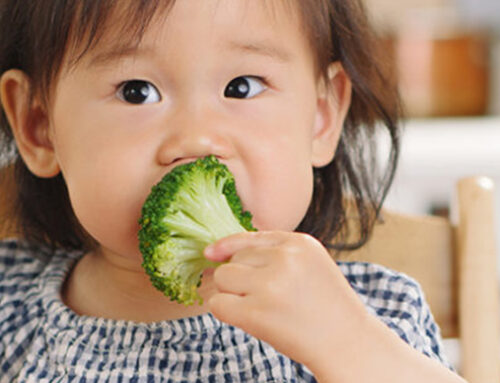
- Pureed or mashed vegetables (like carrot, broccoli, sweet potato)
- Soft fruits (like banana, pear, avocado)
- Smooth baby cereals
Begin with a teaspoon or two, and slowly increase as your baby gets used to eating.
Tips for Starting Solids Safely
- Milk comes first: Breast milk or formula should still be the main source of nutrition until 6 months.
- Go at your baby’s pace: Some days they’ll eat more, other days less – that’s completely normal.
- Offer variety: Introduce a wide range of tastes and move slowly through the textures to help your baby grow into an adventurous eater.
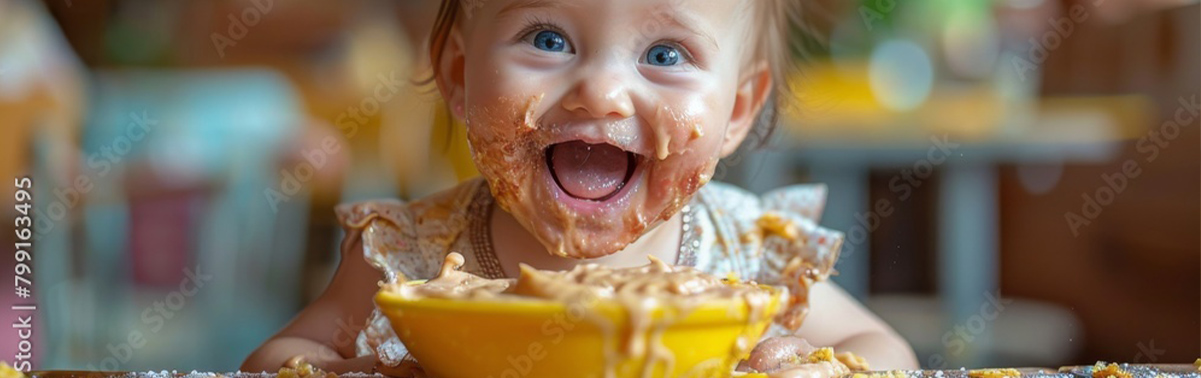
- Let them get messy: let them put their hands in the food, let them play with the food, let them get food on their face, this is all part of their development which will help them enjoy and accept foods going forward.
- Supportive seating: to ensure they are not slumped and are safely secured, to enable them to explore foods freely, comfortably and safely

Final Thoughts
Every baby develops differently, so don’t worry if your little one takes a little longer to show the signs. If you’re ever unsure, check with your health visitor or paediatrician for reassurance.
Starting solids is a messy but magical adventure – enjoy the journey as your baby discovers the wonderful world of food!